Healing Balms: How Herbal Ingredients Transform Skin Care
- boundbatch
- Oct 9
- 4 min read
Updated: Oct 12
In a world where skincare products often contain long lists of chemicals, many people are turning back to nature. Herbal ingredients are making a significant comeback in the beauty industry. Healing balms, infused with these natural elements, are becoming popular for their ability to nourish and rejuvenate the skin.
This blog post will explore how herbal ingredients transform skin care, the benefits they offer, and some popular herbal balms you can try.
The Power of Nature in Skin Care
Herbal ingredients have been used for centuries in various cultures for their healing properties. From ancient Egypt to traditional Chinese medicine, plants have played a vital role in skincare.
Today, many people are rediscovering these natural remedies. Herbal ingredients are known for their ability to soothe, heal, and protect the skin. They often contain vitamins, antioxidants, and anti-inflammatory properties that can benefit various skin types.
Using herbal ingredients in skincare can lead to healthier, more radiant skin.
Common Herbal Ingredients in Healing Balms
When it comes to healing balms, several herbal ingredients stand out for their effectiveness. Here are some of the most popular ones:
1. Calendula
Calendula, also known as marigold, is famous for its anti-inflammatory and antiseptic properties. It can help soothe irritated skin and promote healing.
Many healing balms include calendula to treat minor cuts, scrapes, and rashes. Its gentle nature makes it suitable for all skin types, including sensitive skin.
2. Lavender
Lavender is not just a lovely scent; it also has calming properties. It can help reduce redness and irritation while promoting relaxation.
Using lavender-infused balms can be particularly beneficial for those with acne-prone skin. Its antibacterial properties can help prevent breakouts while soothing existing blemishes.
3. Chamomile
Chamomile is another powerful herb known for its soothing effects. It can help calm inflamed skin and reduce redness.
Many people use chamomile balms to treat conditions like eczema and psoriasis. Its gentle nature makes it safe for children and those with sensitive skin.
4. Tea Tree Oil
Tea tree oil is a well-known natural remedy for acne. Its antibacterial and antifungal properties make it effective in treating blemishes and preventing future breakouts.
Balms containing tea tree oil can help keep the skin clear and healthy. However, it is essential to use it in moderation, as it can be potent.
5. Aloe Vera
Aloe vera is a staple in skincare for its hydrating and healing properties. It can soothe sunburns, moisturize dry skin, and promote healing.
Aloe vera balms are perfect for anyone looking to hydrate their skin while also providing relief from irritation.
The Benefits of Using Herbal Healing Balms
Using herbal healing balms offers numerous benefits for your skin. Here are some of the most notable advantages:
Natural Ingredients
One of the most significant benefits of herbal balms is that they are made from natural ingredients. This means fewer chemicals and synthetic additives, making them safer for your skin.
Gentle on the Skin
Herbal ingredients are often gentler than their chemical counterparts. They can provide relief without causing irritation, making them suitable for sensitive skin.
Multi-Purpose Use
Many herbal balms can be used for various skin issues. Whether you have dry skin, minor cuts, or irritation, a good herbal balm can help.
Nourishing Properties
Herbal ingredients are packed with vitamins and antioxidants that nourish the skin. They can help improve skin texture and promote a healthy glow.
Eco-Friendly
Choosing herbal balms often means supporting sustainable practices. Many brands focus on sourcing their ingredients responsibly, making them a more eco-friendly choice.
How to Choose the Right Herbal Balm
With so many options available, choosing the right herbal balm can be overwhelming. Here are some tips to help you make the best choice:
Know Your Skin Type
Understanding your skin type is crucial when selecting a balm. If you have oily skin, look for balms that contain tea tree oil or lavender. For dry or sensitive skin, opt for calendula or chamomile.
Check the Ingredients
Always read the ingredient list. Look for balms with high-quality, natural ingredients. Avoid products with synthetic fragrances or harsh chemicals.
Consider Your Needs
Think about what you want to achieve with the balm. Are you looking to soothe irritation, hydrate dry skin, or treat acne? Choose a balm that addresses your specific needs.
Test for Allergies
Before using a new product, it is wise to do a patch test. Apply a small amount of the balm to a discreet area of skin and wait 24 hours to see if any irritation occurs.
How to Incorporate Herbal Balms into Your Routine
Adding herbal balms to your skincare routine is simple. Here are some tips to help you get started:
Daily Moisturizer
You can use herbal balms as a daily moisturizer. Apply a small amount to your face or body after cleansing.
Spot Treatment
For specific skin issues, use the balm as a spot treatment. Apply a small amount directly to the affected area and let it absorb.
After-Sun Care
If you spend time in the sun, herbal balms can help soothe sunburned skin. Look for balms with aloe vera or calendula for the best results.
Nighttime Repair
Consider using herbal balms as part of your nighttime routine. Apply a generous amount before bed to allow your skin to absorb the nutrients overnight.
The Future of Herbal Skin Care
As more people become aware of the benefits of herbal ingredients, the demand for natural skincare products will likely continue to grow.
Brands are increasingly focusing on sustainability and ethical sourcing, making it easier for consumers to find high-quality herbal balms.
The future of skincare is bright, with herbal ingredients leading the way.
Embracing Nature for Healthier Skin
Incorporating herbal healing balms into your skincare routine can lead to healthier, more radiant skin. With their natural ingredients and nourishing properties, these balms offer a gentle yet effective solution for various skin issues.
As you explore the world of herbal skincare, remember to choose products that suit your skin type and needs. With the right herbal balm, you can embrace the power of nature and transform your skin care routine for the better.
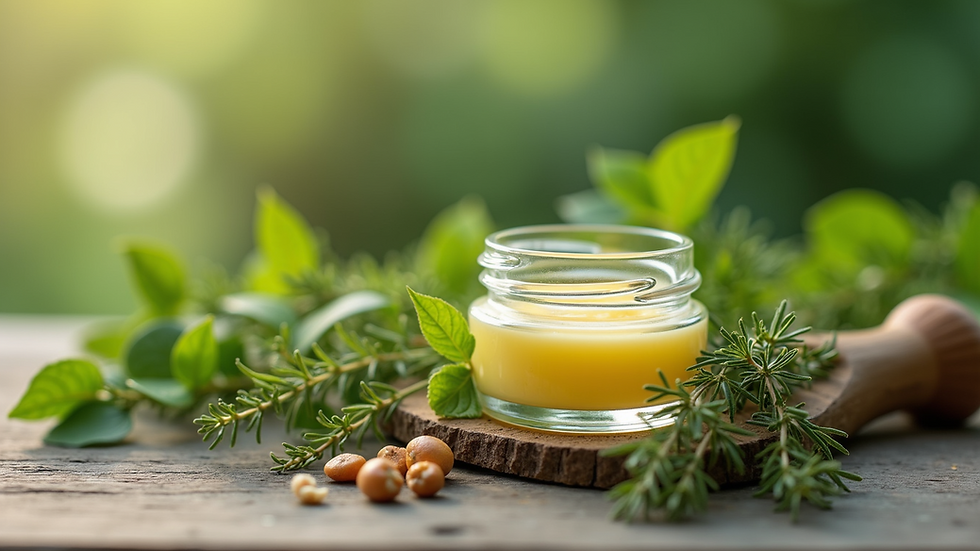
By choosing herbal balms, you are not only caring for your skin but also supporting a more sustainable and eco-friendly approach to beauty. So go ahead, explore the world of herbal healing balms, and discover the transformative power of nature for your skin.


Comments